The Best Dance Fitness Styles to Try
Scrolling through a gym class schedule can feel like standing in the cereal aisle: too many boxes, too many promises, and no idea which one actually tastes good. Zumba, barre-fusion, contemporary flow, Afrobeat cardio — dance fitness has exploded into so many styles that picking one can feel harder than actually working out. The good news? You don’t have to guess blind.
Quick Answer: The best dance fitness style depends on what you’re chasing. Pick high-energy cardio dance (like Zumba) for calorie burn and pure fun, sculpting styles for toning, expressive flow (think ballet or contemporary) for grace and flexibility, or cultural rhythm-based dance for variety and connection. Try two or three styles for a few weeks each before you commit — the right one is the one that makes you forget you’re exercising at all.
What is high-energy cardio dance good for?
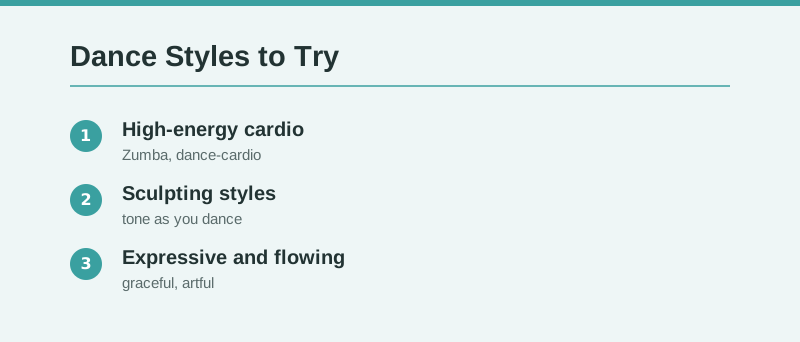
Styles like Zumba and general dance-cardio deliver a joyful, sweaty workout set to great music, blending easy-to-follow moves with a serious calorie burn. A typical hour-long class can rack up 400 to 600 calories for many people, though the exact number varies from person to person. They’re perfect if you want energy, fun, and a proper cardio hit all in one session.
The party-like atmosphere is the real trick here: you’re having so much fun that the workout part barely registers. If you love the idea of dancing your heart out and breaking a real sweat, high-energy cardio dance is a brilliant place to start, and most studios offer a free trial class so you can test the waters first.
Which dance styles tone and sculpt your body?
Some dance fitness styles incorporate toning and strength elements — think dance workouts that weave in barre-inspired moves, resistance bands, or light hand weights (usually 1 to 3 pounds) — building strength and definition alongside the fun. These sculpting styles are great if you want your dance workout to tone and shape your body as well as raise your heart rate.
They combine the joy of dancing with the benefits of strength work, giving you a well-rounded, genuinely effective workout that never feels like a slog. Expect 2 to 3 sessions a week to start noticing real changes in muscle tone and endurance.

What are expressive and flowing dance styles?
Styles inspired by contemporary dance or ballet offer graceful, expressive, flowing movement that builds strength and flexibility in a beautiful, artful way. If you crave flow, grace, and a more artistic form of movement, these styles are deeply satisfying — they develop control, poise, and flexibility while letting you express yourself through movement.
For anyone who finds high-energy classes overwhelming, expressive dance styles offer a gentler, more flowing route to fitness that’s just as rewarding. Don’t mistake “gentle” for “easy,” though — holding a slow arabesque line works muscles you didn’t know you had.
What about cultural and rhythm-based dance?
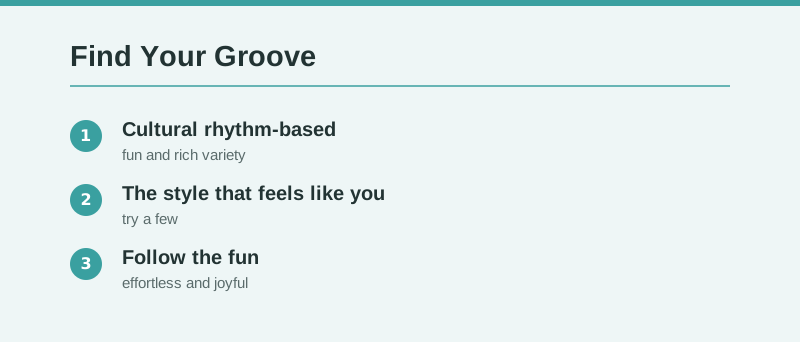
Don’t overlook the joy of dance styles rooted in specific cultures and rhythms — from Latin-inspired moves to Afrobeat-influenced workouts and beyond. These rhythm-rich styles are genuinely fun, culturally rich, and a wonderful full-body workout that works your hips, core, and coordination all at once.
Moving to different rhythms keeps things fresh and exciting, and there’s something special about connecting with music and movement from around the world. Exploring these styles adds variety, joy, and a real sense of celebration to your fitness routine — plus, the rhythm changes keep your brain engaged, not just your body.
5 mistakes everyone makes when starting dance fitness
Even enthusiastic beginners tend to trip over the same handful of habits. Watch for these:
- Judging a style by one bad class. A single instructor’s energy (or lack of it) isn’t the whole genre — try a different teacher before writing off an entire style.
- Wearing the wrong shoes. Dance-specific sneakers with pivot points matter more than people expect; regular running shoes can grip the floor too much and stress your knees.
- Skipping the warm-up. Jumping straight into fast footwork cold raises your injury risk — five minutes of easy marching and stretching goes a long way.
- Comparing yourself to the front row. Everyone in that room was a beginner once; focus on your own rhythm, not theirs.
- Only ever trying one style. This is the one that surprises even instructors — the people who stick with dance fitness longest are usually the ones who rotate between two or three styles instead of grinding through just one.
How do you find the style that’s right for you?
The best dance fitness style is, ultimately, the one that makes you want to move. Try a few different styles over a few weeks each and pay attention to which ones leave you energized, happy, and eager to come back. Because dance fitness is so varied, there’s genuinely something for everyone — you just have to find your fit.
If you have any joint issues, are pregnant, or are returning from an injury, it’s worth checking in with a doctor or physical therapist before starting a new high-impact style — they can help you modify moves so you get the benefits without the risk. When you land on a style that feels like play rather than exercise, staying active becomes effortless and genuinely joyful.
Do you need dance experience to start?
No. Nearly every dance fitness class is designed for complete beginners, with moves broken down step by step. Most people pick up the basic patterns within their first two or three classes.
How many times a week should you do dance fitness?
Two to four sessions a week is a solid range for most people, mixing high-energy days with gentler, flowing sessions. Listen to your body and add rest days if you’re sore or fatigued.
Can dance fitness replace strength training?
Sculpting-style dance classes cover some strength work, but if building serious muscle is a goal, pairing dance fitness with 1 to 2 dedicated strength sessions a week rounds things out nicely.
TL;DR
- High-energy cardio dance (Zumba, dance-cardio) means fun, sweat, and a serious calorie burn.
- Sculpting styles blend dance with toning moves for shape and strength.
- Expressive, flowing styles (ballet, contemporary) build grace, control, and flexibility.
- Cultural and rhythm-based dance brings variety, connection, and a full-body workout.
- Try a few styles before committing, wear the right shoes, and warm up first.
- Check with a doctor if you have joint issues, are pregnant, or are returning from injury.
- The right style is simply the one that makes you forget you’re exercising.
The best dance fitness styles — high-energy cardio, sculpting styles, expressive and flowing forms, and cultural rhythm-based dance — mean there’s a perfect fit for everyone. Try a few and find the one that lights you up. When your workout feels like play, staying active becomes effortless and joyful. Explore the variety, follow the fun, and dance your way to fitness in a way that genuinely suits you.
Keep Reading
This article is for general informational and styling purposes only. Fit, sizing, and product availability may vary.