What to Eat Before and After Dance Cardio So You Actually Recover
Quick Answer: A light, mostly-carb snack 30-60 minutes before dance cardio (like a banana or a small handful of dried fruit) fuels the high-intensity bursts without weighing you down, while a combination of carbs and protein within about 60 minutes after class supports glycogen replenishment and muscle recovery — the intensity spikes in dance cardio burn through readily available glucose faster than steady cardio does, making the pre-class fuel matter more than people expect.

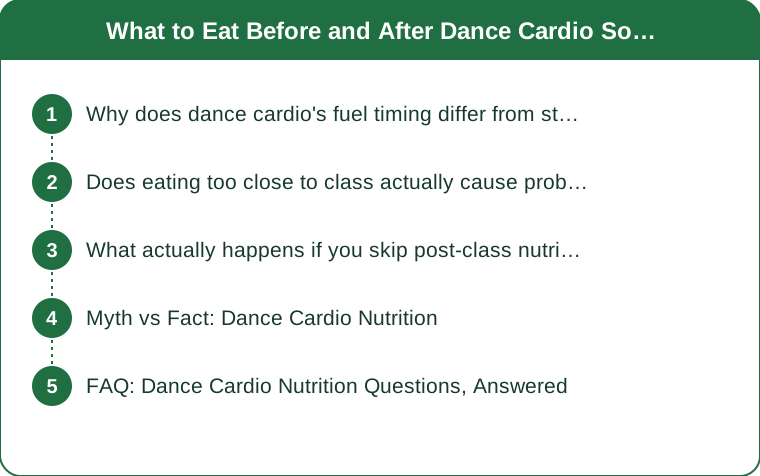
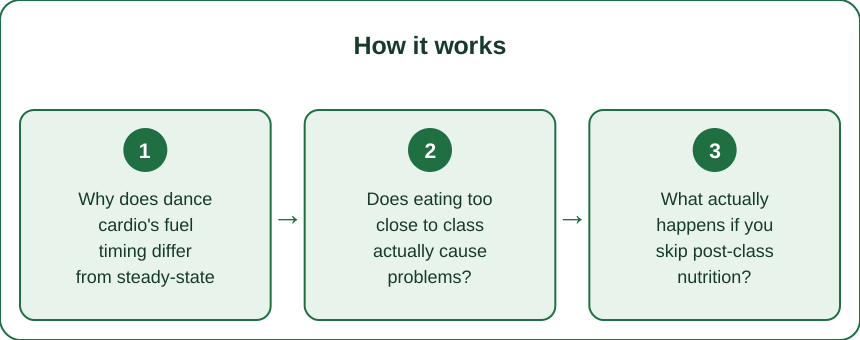
Why does dance cardio’s fuel timing differ from steady-state cardio?
Dance cardio alternates between high-intensity bursts (jumps, fast footwork) and moderate recovery movement, which relies more heavily on quickly available glucose than a steady, moderate-pace cardio session does. Showing up under-fueled tends to show up specifically as fading energy during the high-intensity segments, even if you feel fine at the start of class.
Does eating too close to class actually cause problems?
Yes — eating a large or fat-heavy meal within about an hour of class commonly causes stomach discomfort during the bouncing, twisting movements dance cardio involves, more so than in lower-impact workouts. A smaller, simpler carb snack sits better precisely because there’s less to digest while your body is moving vigorously.

What actually happens if you skip post-class nutrition?
Skipping post-class refueling doesn’t cause immediate harm, but it slows glycogen (stored carbohydrate) replenishment and muscle protein synthesis, which can compound into feeling more fatigued going into your next session, especially if you’re taking dance cardio classes multiple times per week without adequate recovery nutrition in between.
Myth vs Fact: Dance Cardio Nutrition
Myth: You need a big meal before an hour of dance cardio. Fact: A large meal close to class more often causes discomfort than it provides useful extra energy — a small carb snack covers the fuel need without the digestive tradeoff. Myth: Water alone is enough recovery after a sweaty class. Fact: Hydration matters, but water alone doesn’t replace the glycogen and protein your muscles used — pairing fluids with actual food does more for next-day recovery.
FAQ: Dance Cardio Nutrition Questions, Answered
Is it fine to take dance cardio on an empty stomach in the morning?
Some people tolerate fasted dance cardio well, but the high-intensity bursts tend to feel notably harder without any fuel, so if energy dips during class are a recurring issue, a small pre-class snack is worth testing.
How much protein is actually needed after a single class?
A moderate amount (roughly 15-25 grams) alongside some carbohydrate is generally sufficient for a single session’s recovery needs — this doesn’t require a specialty supplement, a glass of milk or a small yogurt covers it.
Does the fuel timing change for early morning classes versus evening ones?
The core principles stay the same, but morning classes make the pre-workout snack more important since overnight fasting already lowers available glucose, while evening classes can sometimes rely more on food eaten earlier in the day.
TL;DR:
- Dance cardio’s intensity bursts burn through quick-access glucose faster than steady cardio
- A small carb snack 30-60 minutes before class supports the high-intensity segments
- Combining carbs and protein within about an hour after class aids recovery
- Skipping recovery nutrition doesn’t hurt once, but it compounds with frequent classes
Small, well-timed fuel choices around dance cardio make a noticeable difference in how classes feel from the second song onward, not just how you recover the next day.
Keep Reading
This article is for general informational and styling purposes only. Fit, sizing, and product availability may vary.